November 16, 2025
Nov 16, 2025
August 15, 2025
BLOG
What Determines Fine Art Insurance Cost & Is It Worth It?
By Bill Anderson
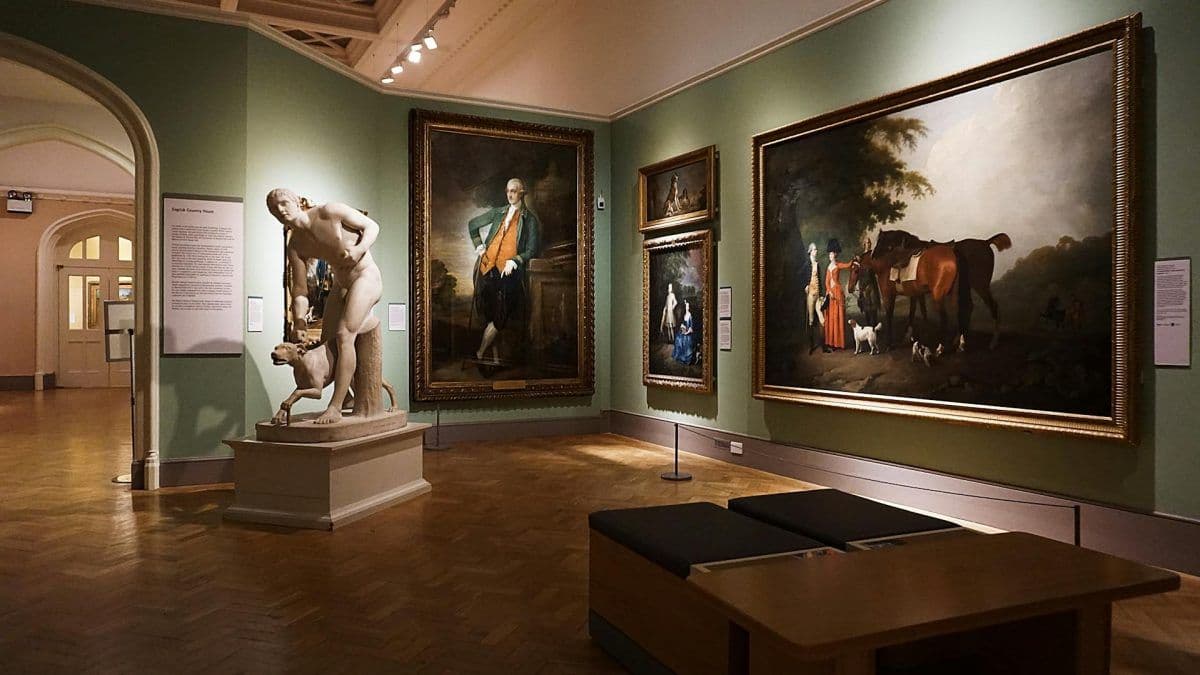
A Look at the Variables Influencing Art Insurance
A work of art is more than an object on a wall. It is a story, a piece of history, and a significant financial asset.
You know its value, which is why you are investigating fine art insurance costs.
Making sense of the price requires looking beyond the artwork’s appraisal value and understanding the complete picture of what insurers assess when they write a policy.
This guide breaks down what goes into insuring artwork, helping you understand the pricing and decide if this protection is the right choice for your collection.
What Is Fine Art Insurance Coverage?
Fine art insurance is a specialized policy designed to protect valuable works from risks that a standard homeowner’s policy excludes or limits.
Your homeowner’s insurance might cover a painting up to a certain amount. But it rarely accounts for the full market value of a significant piece or collection.
A dedicated fine art policy typically provides “all-risk” coverage. This means it protects against all direct physical loss or damage unless specifically excluded. So, remember to read your policy carefully.
Common covered perils include:
- Theft and vandalism
- Fires, floods, and other natural disasters
- Accidental breakage
- Damage during transit
Exclusions are also important to understand. Policies generally do not cover damage from:
- Natural wear and tear
- Inherent vice (damage caused by the natural deterioration of the materials used)
- Insects
- Acts of war
- Improper restoration work
These policies are designed to protect against unforeseen events, not inevitable decay.
Who Should Consider Insurance for Art?
Any individual or institution holding valuable art should consider this type of protection. If the value of your art exceeds the limits of your homeowner’s or renter’s policy, look into a dedicated plan.
This applies to:
- Private collectors with one or more valuable pieces.
- Art galleries managing inventory and consigned works.
- Museums and cultural institutions responsible for public collections.
- Artists who want to protect their own finished work.
Ultimately, obtaining specialized art insurance is a strategic decision to safeguard a major asset from financial loss.
The Key Factors Influencing Your Fine Art Insurance Cost
So, how much does it cost to insure a painting or sculpture? There is no single answer.
Firstly, there is no “standard” fine art insurance policy. Although they might be similar, no two fine art insurers will offer you the exact same policy.
The monthly premium you’ll pay is a small percentage of the art’s total value. It’s often between 1% and 5% annually, but the final figure depends on a unique set of variables.
The Total Value of Your Collection
The most direct factor is the appraised value of your art.
Insurers look at both the total value of your collection and the value of individual high-worth pieces. A single, multi-million-dollar painting may carry a different risk profile, and therefore a different rate, than a collection of several dozen lower-value works.
A higher value will naturally result in a higher premium.
Insurers require professional, up-to-date appraisals to determine the replacement cost and establish an “agreed value” for each piece. This ensures you are compensated for the art’s current market value in the event of a total loss.
Your Geographic Location
Where you live and store your art matters. Insurers assess regional risks.
For example, collections in coastal areas prone to hurricanes or regions with a history of wildfires or earthquakes may see higher premiums.
Similarly, locations in high-crime areas can also increase the cost, as the perceived risk of theft is greater.
Your Security
An insurer’s primary goal is to mitigate risk. A secure environment demonstrates that you are a proactive and responsible caretaker of your collection.
While perimeter security, like door alarms and cameras, is standard, it may not be enough to stop a “grab-and-run” theft once someone is inside.
This is where object-specific security becomes so important. At Art Guard, our perspective is that true protection focuses on the asset itself. Insurers often provide preferential rates to collectors who use advanced measures. Our security products are designed for this purpose, and Art Guard is a preferred vendor of Chubb Insurance—recognition that underscores the trust major insurers place in our solutions.
The MAP v3 Sensor, for example, is a small, discreet wireless sensor that can be hidden behind any stationary object. It detects the slightest unauthorized movement and sends an immediate alert.
If you want a dedicated, self-managed solution, the MAP Gold System offers a complete, plug-and-play setup with multi-path communication for exceptional reliability.
Display and Storage Conditions
How you care for your art directly impacts its safety and your insurance premium.
Insurers assess the environment where the art is kept. They look for climate and humidity control systems, UV-blocking glass on windows, and professional-grade fire suppression systems.
Proper care demonstrates a lower risk of damage from environmental factors.
Your Claims History
Finally, your personal claims history can affect your premium. A history of frequent or significant claims may signal a higher risk to an insurer, potentially leading to increased rates.
Is the Cost of Insuring Artwork Worth the Investment?
Ultimately, the decision to insure your art is a personal one, but it should be viewed as a risk management strategy.
The annual premium is a predictable, manageable expense. The complete loss of a cherished or valuable piece is a sudden and catastrophic financial blow.
Protecting your collection is about more than just money. It’s about preserving a legacy, a piece of cultural history, an asset of personal importance.
While insurance provides financial recovery after a loss, the ideal outcome is preventing that loss from ever happening.
A robust security plan from Art Guard works hand-in-hand with a solid insurance policy to provide comprehensive protection. This dual approach gives you the best defense against theft and damage.
Contact us for a confidential consultation.
Your collection is valuable. We can help you keep it safe.
Subscribe to learn about the latest in Art Security Technology