November 16, 2025
Nov 16, 2025
July 24, 2025
NEWS
Is Your Collection Safe? A Collectibles Insurance Guide
By Bill Anderson
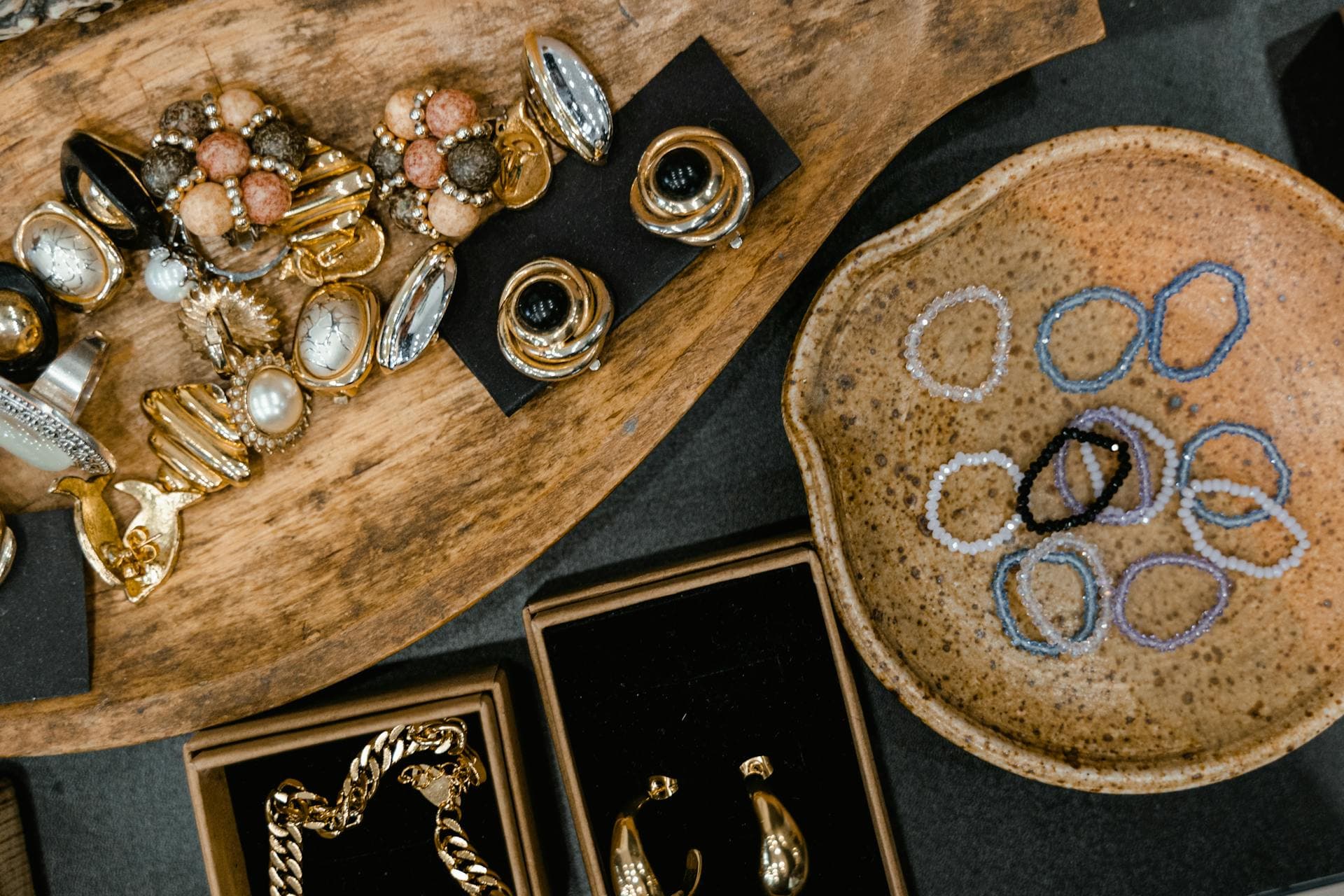
A look at the essentials, from appraisals to security, for private collectors.
Your collection is a source of passion. Each piece, whether it’s fine art, an antique, or a modern collectible, holds a unique story and value.
But protecting these items requires more than just a standard homeowners policy.
For private collectors, getting the right collectibles insurance is a basic step in safeguarding your assets from loss, theft, or damage. This is a specialized type of coverage designed for the unique value of your valuables.
Join us as we discuss the process of insuring your collectibles, covering everything from appraisals to the security measures that offer true peace of mind.
Why Your Homeowners Policy Falls Short
A typical homeowners insurance policy is designed to protect your house and general belongings.
However, it has severe limitations when it comes to high-value collections. These policies often have low coverage caps for items like art, jewelry, and antiques. This leaves your prized possessions dangerously underinsured.
Furthermore, standard policies often only cover losses from a list of “named perils,” like fire or storms.
A specialized collections insurance policy usually offers “all-risk” coverage, which is much broader. This type of policy covers any event that isn’t explicitly excluded, offering superior protection for your valuables.
How to Insure a Collection: The Step-by-Step Process
Don’t just sign up with the first collections and antiques insurer you come across. There are a few specifics to consider in securing a policy that accurately reflects the value of your items.
Create a Detailed Inventory
Firstly, document every piece in your collection. For each item, you should record:
- A description,
- Its dimensions,
- The artist or maker,
- The date you acquired it, and
- What you paid for it.
Take high-quality photos from several angles, including any signatures or identifying marks.
Get Professional Appraisals
An appraisal is more than an estimate. It is a formal report from a certified professional that documents your item’s current market value.
Your insurer will use the appraisal to determine the coverage value of your item. This figure is the “agreed value,” the exact amount you will receive if the item suffers a total loss.
Always work with a certified professional. Use organizations like the Appraisers Association of America to find a qualified expert in your specific category of collectibles.
Find a Specialist Insurer
Do not rely on a general insurance agent. Find a broker or a company that specializes in fine art and collectibles. They understand the market, the risks, and the type of coverage you need. They can prepare a policy that fits the specific nature of your collection.
Understand the Policy Details
Read the fine print carefully.
- Does the policy cover items in transit if you move or loan out a piece?
- Does it cover accidental breakage?
- What types of damage are covered?
- What is the deductible if you claim?
- What contributes to the deductible?
Understanding what is included and, more importantly, what is excluded will prevent surprises later.
The Role of Security in Your Collectibles Insurance
Insurers calculate premiums based on risk. The more secure your collection is, the lower the risk of a claim. This is why investing in high-quality security, like Art Guard, can often lead to better policy terms or lower premiums.
While a basic home alarm is a good start, it does not protect individual objects from theft or damage once someone is inside.
This is where Art Guard provides a more focused layer of protection. Our object-specific protection is designed to guard each item you value.
Using our patented MAP technology, a small, hidden sensor monitors your art, sculpture, or antique. If the piece is moved even slightly, an instant alarm is triggered. This immediately alerts you to a problem, whether it’s a “grab and run” theft or an accidental bump.
For collectors who value privacy and ease of use, our MAP Gold System is a self-contained, user-managed solution that provides dedicated protection without complex installation.
Keep Your Protection Up to Date
Your collection and its value will change over time, which means your artwork and antique insurance and security should adapt accordingly.
- Update your appraisals every three to five years or whenever the market for your items changes significantly.
- When you add a new piece to your collection, contact your insurer immediately to have it added to your policy.
- Regularly check that your security systems are functioning correctly, including battery life and sensor placement.
Collectibles insurance is your financial safety net. A robust security plan is what keeps the art itself safe. By combining both, you create a complete strategy to protect the collection you’ve built.
Contact us today to discuss how we can help you safeguard your collection.
We’re here to provide a solution tailored to your needs.
Subscribe to learn about the latest in Art Security Technology